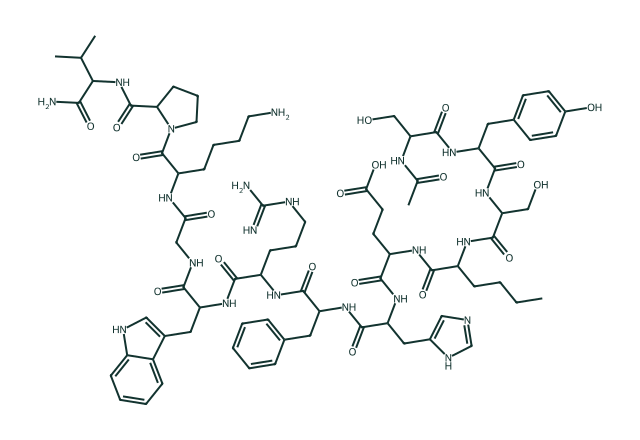
Melanotan 1
Tanning and pigmentation peptide
Also known as Melanotan 1, MT-1, afamelanotide
- Evidence grade
- BHuman trials, not approved for this useScale
- Half-life
- Not well characterized in humans
- Schedule
- Daily while loading, then a few times weekly
- Maintenance amount
- 750 mcg
- Vial sizes sold
- 10 mg
- Cost per dose
- $3.22
Where a value is not established in people, this table says so rather than filling the box.
An alpha-MSH analog. An approved implant formulation exists for a specific rare indication.
Melanotan 1 is an analog of alpha-MSH, the hormone that tells skin cells to make more melanin. By activating the melanocortin 1 receptor it increases pigment, which is protective against UV damage. Its regulated cousin, afamelanotide, is approved as a slow release implant for a rare light sensitivity disorder. Loose injectable research material is a different, unapproved product.
Human clinical-trial data; FDA-approved as Scenesse (afamelanotide) for erythropoietic protoporphyria.
- Studied for increased pain-free sun exposure in erythropoietic protoporphyria.
- Stimulates eumelanin production through melanocortin-1 receptor activation.
- May improve quality of life for people with this light-sensitivity disorder.
- Studied for skin darkening as a photoprotective response.
- Nausea, headache and fatigue reported in trials.
- Generalized skin darkening and darkening of existing moles.
- Implant-site reactions from the subcutaneous delivery.
- Long-term monitoring of pigmented lesions is advised.
A summary of the research, not medical advice. Individual benefits and risks vary, and for some of these compounds the human evidence is still early.
Melanotan 1 is generally reported as producing fewer side effects than Melanotan 2, since it is more selective. Reports describe mild nausea with early doses, with a visible tanning response typically reported over one to three weeks alongside UV exposure.
Read the full timeline →Drawn from published trial data and how the research community commonly describes this stretch. Not a fixed schedule and not medical advice.
Goal of the protocol. Studied for a deeper, more even tan and a protective pigmentation response.
Daily while loading, then a few times weekly. For research reference only, not medical advice.
| Phase | Amount |
|---|---|
| Loading | 0.5–1 mg daily |
| Maintenance | 0.5–1 mg, 1–2× weekly |
Injectable use is not approved; the approved implant is dosed very differently.
A rough shopping estimate at the maintenance amount. Your real needs shift with your dose and titration.
| Item | 12-week plan | 18-week plan | 24-week plan |
|---|---|---|---|
| Peptide vials (10 mg) | 5 | 7 | 9 |
| Insulin syringes (U-100) | 60 | 90 | 120 |
| Bacteriostatic water (10 mL) | 1 | 2 | 2 |
| Alcohol swabs (100-count box) | 1 | 1 | 2 |
What a course of Melanotan 1 actually costs, worked from list price and the amount in the schedule above, plus the whole vials a 12-week run would take.
| Supplier | Vial | Price | Per mg | Per dose | 12 weeks | Independent test |
|---|---|---|---|---|---|---|
| BioEdge Research Labs | 10 mg | $43 | $4.30 | $3.22 | $215 (5 vials) | None on file |
One supplier listed so far for this compound.
List prices, checked September 4, 2026. Sale pricing is ignored on purpose so the table does not swing week to week. Verify before ordering.
Suppliers are listed alphabetically. We do not rank them by price, because the cheapest vial and the one worth buying are rarely the same thing. The column that matters is the last one, and today most of it reads "none on file", including for Quartz Peptides, which is owned by this site’s editor. See the disclosure and the COA guide.
Lyophilized: Keep the sealed powder cool and dark, near -20 °C where possible, dry and out of light.
Reconstituted: Refrigerate the mixed vial at 2 to 8 °C, use within a few weeks and avoid freeze and thaw.
Let a cold vial reach room temperature before you open it, so it takes on less condensation.
How strong is the evidence for Melanotan 1?
We grade it B on a four-point scale. Approved as Scenesse, but as a sustained-release implant rather than the injectable form sold for research.
What is the half-life of Melanotan 1?
It is not well characterized in humans. Published pharmacokinetic data for Melanotan 1 is thin, so any specific figure you see quoted should be treated with caution.
What amount of Melanotan 1 is used in the research?
Loading: 0.5–1 mg daily. Maintenance: 0.5–1 mg, 1–2× weekly. Injectable use is not approved; the approved implant is dosed very differently.
How much does Melanotan 1 cost?
A 10 mg vial lists at $43 from BioEdge Research Labs, which works out to $4.30 per mg and about $3.22 per dose at the amount used in research. Prices checked September 4, 2026. Price is not a quality signal, so check the certificate of analysis before ordering from anyone.
How is Melanotan 1 stored once reconstituted?
Refrigerate the mixed vial at 2 to 8 °C, use within a few weeks and avoid freeze and thaw.
- Langendonk JG, et al. Afamelanotide for Erythropoietic Protoporphyria. N Engl J Med. 2015;373:48-59.
- Biolcati G, et al. Long-term observational study of afamelanotide in 115 patients with erythropoietic protoporphyria. Br J Dermatol. 2015;172:1601-1612.
- Scenesse (afamelanotide), FDA prescribing information.