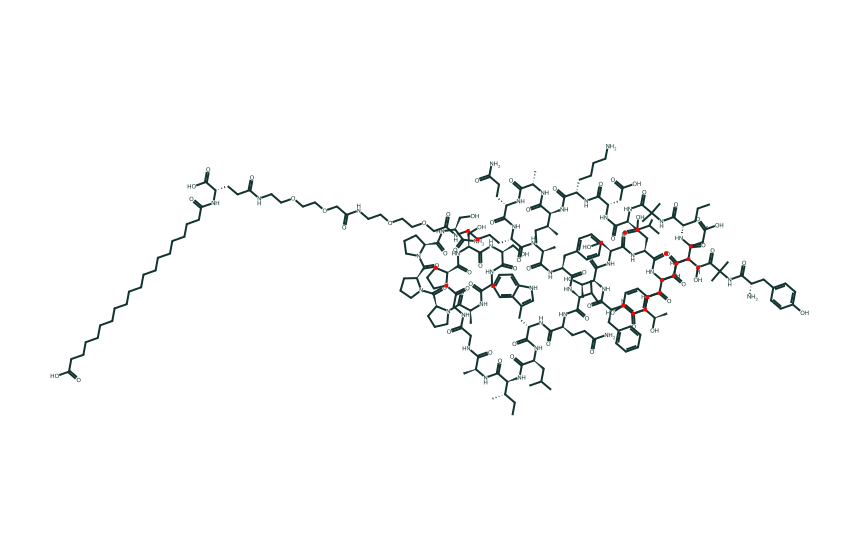
Tirzepatide
Dual-action weight-management peptide
Also known as Tirz, GLP-2T
- Evidence grade
- AApproved, phase 3 dataScale
- Half-life
- About 5 days
- Schedule
- Once weekly, subcutaneous
- Maintenance amount
- 15.00 mg
- Vial sizes sold
- 10 mg, 15 mg, 30 mg, 60 mg
- Cost per dose
- $134
Where a value is not established in people, this table says so rather than filling the box.
A dual GLP-1 and GIP receptor agonist studied in large published trials.
Tirzepatide is a single molecule that switches on two incretin receptors, GLP-1 and GIP. Together they blunt appetite, slow gastric emptying and improve how the body handles insulin and blood sugar. That dual action is what set it apart from GLP-1 only drugs in head to head trials.
Human clinical-trial data; FDA-approved as Mounjaro and Zepbound.
- Studied for weight loss of roughly 15 to 22 percent in adults with obesity or overweight.
- Improves HbA1c and fasting glucose in type 2 diabetes.
- Studied for reduced progression from prediabetes to type 2 diabetes.
- May improve blood pressure, lipids and obstructive sleep apnea measures.
- Nausea, diarrhea, vomiting and constipation, mostly during dose escalation.
- Risk of hypoglycemia when combined with insulin or sulfonylureas.
- Rare gallbladder problems and reports of pancreatitis.
- Carries a boxed warning for a potential risk of thyroid C-cell tumors.
A summary of the research, not medical advice. Individual benefits and risks vary, and for some of these compounds the human evidence is still early.
The SURMOUNT-1 trial reported average weight change of roughly 15, 19 and 21 percent at the 5, 10 and 15 mg weekly doses over 72 weeks, under medical supervision. GI symptoms are the most commonly reported side effect, concentrated around each step up in dose during the titration.
Read the full timeline →Drawn from published trial data and how the research community commonly describes this stretch. Not a fixed schedule and not medical advice.
Goal of the protocol. Produce marked weight and blood-sugar improvements through combined GLP-1 and GIP activity.
Once weekly, subcutaneous. For research reference only, not medical advice.
| Phase | Amount |
|---|---|
| Weeks 1–4 | 2.5 mg |
| Weeks 5–8 | 5 mg |
| Weeks 9–12 | 7.5 mg |
| Weeks 13–16 | 10 mg |
| Weeks 17–20 | 12.5 mg |
| Weeks 21+ | 15 mg |
Follows the approved label titration; increase every four weeks toward a 5, 10 or 15 mg maintenance amount, chosen by response rather than always pushed to the top.
Higher amounts, more injections. As the weekly total climbs, it is commonly divided into two or more injections across the week, which keeps each shot small and easier to tolerate.
A rough shopping estimate at the maintenance amount. Your real needs shift with your dose and titration.
| Item | 12-week plan | 18-week plan | 24-week plan |
|---|---|---|---|
| Peptide vials (10 mg) | 6 | 13 | 21 |
| Insulin syringes (U-100) | 12 | 18 | 24 |
| Bacteriostatic water (10 mL) | 2 | 3 | 5 |
| Alcohol swabs (100-count box) | 1 | 1 | 1 |
What a course of Tirzepatide actually costs, worked from list price and the amount in the schedule above, plus the whole vials a 12-week run would take.
| Supplier | Vial | Price | Per mg | Per dose | 12 weeks | Independent test |
|---|---|---|---|---|---|---|
| Quartz Peptides | 10 mg | $89 | $8.90 | $134 | $534 (6 vials) | None on file |
One supplier listed so far for this compound.
List prices, checked September 4, 2026. Sale pricing is ignored on purpose so the table does not swing week to week. Verify before ordering.
Suppliers are listed alphabetically. We do not rank them by price, because the cheapest vial and the one worth buying are rarely the same thing. The column that matters is the last one, and today most of it reads "none on file", including for Quartz Peptides, which is owned by this site’s editor. See the disclosure and the COA guide.
Lyophilized: Keep the sealed powder cool and dark, near -20 °C where possible, dry and out of light.
Reconstituted: Refrigerate the mixed vial at 2 to 8 °C, use within a few weeks and avoid freeze and thaw.
Let a cold vial reach room temperature before you open it, so it takes on less condensation.
How strong is the evidence for Tirzepatide?
We grade it A on a four-point scale. Extensive phase 3 data. Approved as Mounjaro and Zepbound.
What is the half-life of Tirzepatide?
About 5 days. That is the figure the reported dosing frequency follows from.
What amount of Tirzepatide is used in the research?
Weeks 1–4: 2.5 mg. Weeks 5–8: 5 mg. Weeks 9–12: 7.5 mg. Weeks 13–16: 10 mg. Weeks 17–20: 12.5 mg. Weeks 21+: 15 mg. Follows the approved label titration; increase every four weeks toward a 5, 10 or 15 mg maintenance amount, chosen by response rather than always pushed to the top.
How much does Tirzepatide cost?
A 10 mg vial lists at $89 from Quartz Peptides, which works out to $8.90 per mg and about $134 per dose at the amount used in research. Prices checked September 4, 2026. Price is not a quality signal, so check the certificate of analysis before ordering from anyone.
How is Tirzepatide stored once reconstituted?
Refrigerate the mixed vial at 2 to 8 °C, use within a few weeks and avoid freeze and thaw.